Keno pulls players in with simple rules and a long shot at a long payout. The honest bit is that random draws do not respect strategy, so the edge lives at the cashier. From my work covering keno at Complete iGaming, I know that discipline and a clean cashier decide who enjoys their arvo at the screen and who logs off feeling flat. Players wanting a cashier that matches the keno tips above can check the method list at goldenbet-casino-l0gin.com before funding the first ticket, since the banking side shapes the session more than most realise.
Quick Keno Tips Worth Following
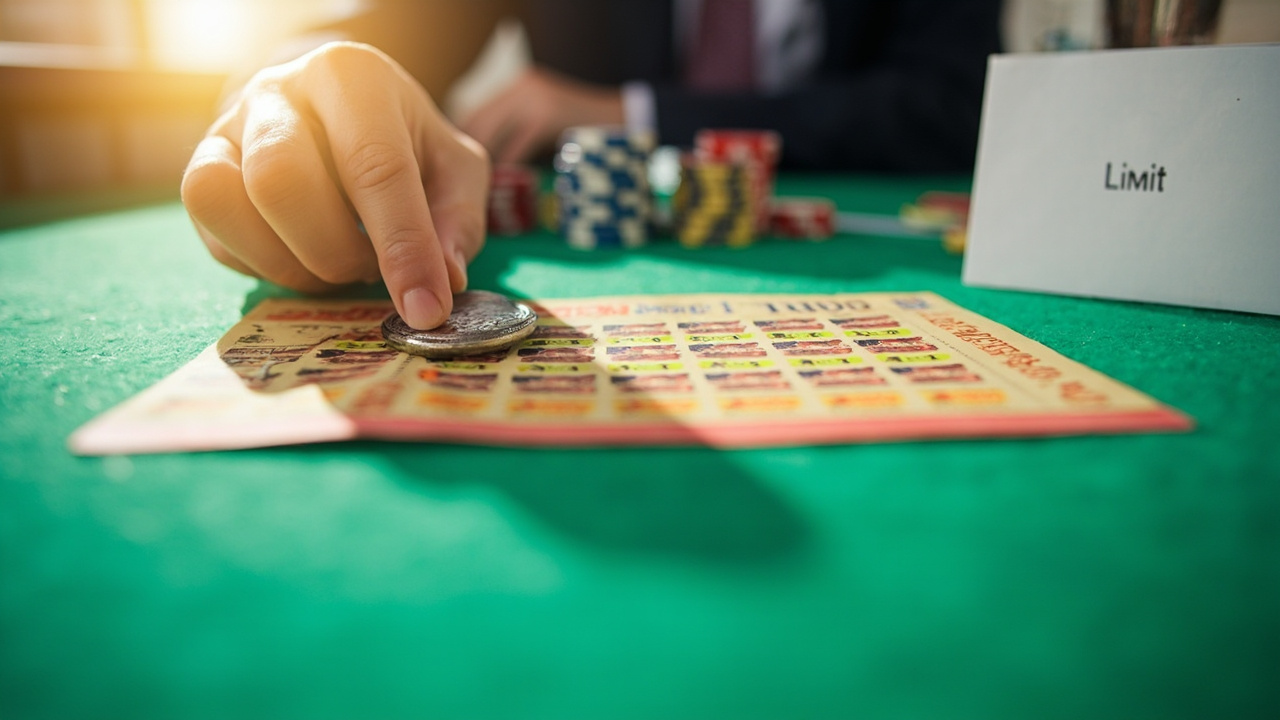
The keno tips that actually work are blunt, not mystical. They manage variance rather than fight it, and they hold across most platforms. After working the keno beat through Complete Media Group and Complete iGaming since 2009, the short list below still holds up across tight budgets and loose ones alike.
A handful worth keeping on hand:
- Pick four to six spots rather than ten. The house edge stays similar, but hit frequency climbs enough to stretch a session and reduce the number of dead draws.
- Make 8 a default pick. Chinese gambling tradition prizes 8 because it sounds like the word for wealth, and that cultural anchor runs through keno rooms globally.
- Cap the session spend before the first draw, the same way you would close a tab at the Newcastle Workers Club after a long afternoon by the harbour – never chase a missed number with a bigger stake.
- Skip the progressive side bets. The marketing is loud, the expected value is quiet, and quiet maths tends to bleed a bankroll quietly until the balance runs out.
- Compare keno to baccarat, not slots. Baccarat is a favourite of high rollers and was famously James Bond’s choice in the early novels, but keno runs on a quieter rhythm, so flat-stake sizing beats pattern-hunting every time.
One last note: keno draws are independent, so ‘due’ numbers are a myth. The only strategy that compounds across sessions is a stop-loss you actually honour.
Deposits, Withdrawals, and the Cashier Edge
The cashier is where most keno sessions either run smoothly or stall out. A slow withdrawal on a winning keno ticket takes the shine off the game, and a clunky deposit flow can ruin the rhythm of a session. Having watched cashier design shift more in the past five years than keno has in twenty, I think this is the area where informed players pull ahead.
At a typical keno cashier, the method list looks something like this:
| Method | Min deposit | Withdrawal time | KYC needed |
|---|---|---|---|
| Visa | A$20 | 1-3 business days | Yes |
| Mastercard | A$20 | 1-3 business days | Yes |
| Neosurf | A$10 | Deposit only | No |
| Bitcoin | A$20 equivalent | 0-24 hours | Yes |
| Ethereum | A$20 equivalent | 0-24 hours | Yes |
| Bank transfer | A$50 | 3-5 business days | Yes |
AUD is supported across the board, which removes a quiet conversion cost that catches plenty of players out. Crypto deposits land within minutes, suiting fast keno sessions, but withdrawal clearance still depends on internal review. Card withdrawals sit in the 1-3 business day window, while bank transfers stretch to 3-5 days and sometimes carry an outgoing fee.
The deposit flow on most keno platforms is simple – choose a method, enter an amount above the minimum, confirm, and the balance shows within seconds for cards and crypto, or after a brief pending window for bank transfers. Verification is where things slow. The first withdrawal triggers KYC, usually a photo ID, a recent utility bill or bank statement, and sometimes a selfie. That step is standard and exists for good reason, but it catches players off guard when they expect a same-day payout.
Processing Times, Limits, and the Real Trade-offs
Cashier speed and the rules around it shape the real keno experience, even though they rarely make the marketing. Limits and processing windows decide whether a win feels like a win or a long wait, and that distinction matters more than most players realise.
Harrison Wright, Gaming Technology Consultant at Brighton Beach Betting Lab, makes the point plainly. ‘Players obsess over draw frequency, but the withdrawal window is what shapes the real experience. A pending status for 72 hours on a keno win is a sour note,’ he says. Wright’s view lines up with what consistent complaints show, and operators who under-resource the cashier side tend to hear about it in churn numbers.
The trade-offs sit in the small print. Weekly withdrawal caps, often A$4,000 at standard tier, force large keno wins to clear in instalments. Some operators offer a bonus path that includes free spins keno bonuses for new sign-ups, and the fine print around those is where the real cost hides. James McKenzie, Managing Partner at Eucalypt Digital Advisory, is blunt about the limit issue. ‘Operators who publish clear weekly limits and process crypto inside 24 hours earn loyalty. The ones who hide limits in the T&Cs lose it just as fast,’ he says.
The honest read is that the cashier side rewards players who read the small print before they fund the account. A clean deposit flow, a fair weekly limit, and a withdrawal that clears on time will outperform any ‘system’ for picking numbers. That is the keno tip that holds up.
Keno stays simple. Numbers draw, payout lands or does not, and the maths never bends for the hopeful. What changes the experience is everything around the draw – the bankroll plan, the deposit method that did not sting, the withdrawal that arrived on time. Sort those and keno tips stop being about chasing patterns and become about pacing through a session without burning the balance. That is the game I reckon holds up across a long session at the screen.